
FRP Dock & Marine Grating
FRP dock grating · GRP marine panels · saltwater-proof fiberglass decking
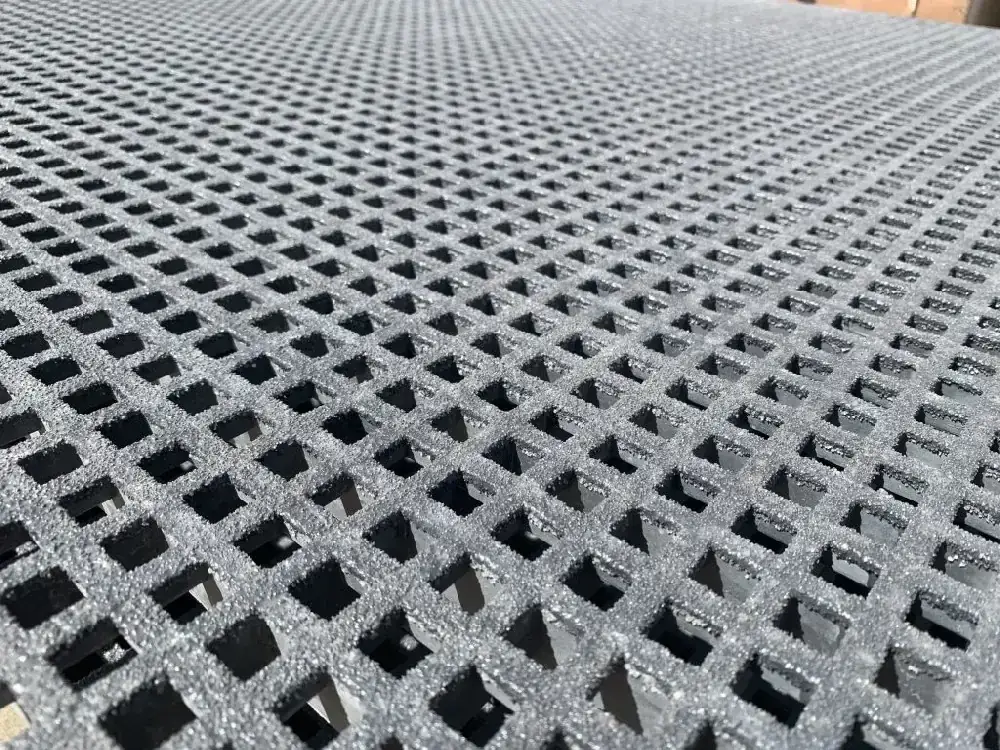
FRP Dock Grating = GRP Marine Panels — Built for Saltwater
FRP dock grating (also called GRP marine panels, fiberglass dock decking, FRP marina grating or GRP walkway panels) is the premium decking solution for marinas, docks, offshore platforms and coastal walkways. Unlike wood that rots, steel that rusts and aluminum that corrodes in chloride-laden air, FRP dock grating is immune to saltwater degradation — it never needs painting, sealing, or replacement due to rot or corrosion.
As a certified FRP dock grating manufacturer with DNV & ABS marine approvals, ZeAllgrate supplies GRP marine panels to yacht clubs, commercial fishing ports, offshore operators and coastal infrastructure projects worldwide. The open-mesh design lets water, ice and debris drain through — no puddles, no slippery standing water, no hidden rot underneath.
- Saltwater-proof — zero corrosion in continuous marine exposure
- UV-stabilized — no fading or brittleness from decades of sun
- Grit-top anti-slip — R12/R13 rated, safe when wet and slimy
- Lightweight — easy to lift, float-friendly, low dead-load on floating docks
- 20–25 year service life — no sealing, no staining, no board replacement
Why FRP Grating Is the Best Decking for Marine Environments
Immune to Saltwater Corrosion
FRP dock grating does not contain any metal that can rust, corrode or electrolyze. Salt spray, seawater splash and constant humidity have zero effect on the fiberglass and resin matrix — unlike steel grating that rusts within 3–5 years in coastal service.
UV-Stabilized for Coastal Sun
Our GRP marine panels use UV-inhibited resin and a surface tissue veil that blocks ultraviolet degradation. Colors stay bright, surfaces stay smooth, and there is no chalk or brittleness even after decades of direct equatorial or high-altitude sun.
Safe Underfoot When Wet
Grit-top silica surface delivers R12–R13 slip resistance (DIN 51130). Wet feet, sea spray, algae and light frost do not make fiberglass dock decking slippery. Open mesh drains instantly — no puddles, no hydroplaning.
Lightweight & Float-Friendly
FRP marina grating weighs only 18–25 kg/m² (38–50 mm). Panels are carried and installed by two workers without cranes. On floating docks, the low dead-load preserves buoyancy margin and reduces pontoon sizing.
FRP Dock & Marine Panel Range
| Product Type | Construction | Best For |
|---|---|---|
| FRP Dock Panels (Open Mesh) | Molded 38 mm / 50 mm grating, 38×38 mm mesh, grit-top surface | Marina fingers, floating docks, pier walkways |
| GRP Walkway Panels (Covered) | Solid top plate bonded to molded grating — spill-containment decking | Fuel docks, chemical transfer areas, offshore walkways |
| Offshore Platform Grating | Vinyl ester or phenolic resin, 50 mm thickness, grit-top, DNV/ABS approved | Offshore oil & gas platforms, helideck access |
| Gangway / Boarding Ladder Treads | Pultruded FRP grating treads with nosing, anti-slip surface | Yacht boarding ladders, pontoon gangways |
| FRP Dock Fender / Edge Boards | Solid pultruded FRP flat bar or tube, UV-stabilized | Dock edge protection, bumper boards, rub rails |
| Shoreline / Coastal Walkway Grating | Molded 38 mm grating on FRP profile supports, no concrete contact | Seaside promenades, boardwalks, coastal trails |
FRP Dock Grating & GRP Marine Panel Dimensions
| Parameter | Standard | Alternative / Custom |
|---|---|---|
| Panel Thickness | 38 mm (standard pedestrian marina) | 50 mm (heavy traffic / wide spans / offshore) |
| Standard Panel Size | 1220 × 3660 mm (4 ft × 12 ft) | Cut to any size — notched, tapered, curved edges |
| Mesh Pattern | 38 × 38 mm square (70% open area) | 25 × 25 mm mini-mesh (heels, ADA); 50 × 50 mm (debris) |
| Surface | Grit-top (silica embedded) — R12/R13 anti-slip | Covered solid-top (spill containment); concave meniscus |
| Resin System | UV-stabilized Isophthalic Polyester (general marine) | Vinyl Ester (offshore / chemical splash); Phenolic (fire-critical) |
| Colors | Gray (RAL 7047), Black, Yellow (safety) | Custom RAL on request — popular: navy blue, forest green |
| Weight (38 mm) | ~18.6 kg/m² | ~25–30 kg/m² (50 mm / HLC heavy-duty) |
| Max Clear Span (pedestrian) | ~900 mm (38 mm, UDL 5 kN/m²) | ~1200 mm (50 mm) — verify on certified load chart |
| Fasteners | SS316 stainless G-clips and bolts | SS316 bolt-down angles for high-wind / surge zones |
| Support Structure | FRP structural profiles (non-corroding) or timber | Aluminum (anodized); avoid steel substructure in splash zone |
| Marine Approvals | DNV & ABS recognized; ISO 24681 maritime grade | USCG / IMO FTP Code (phenolic grade); third-party SGS / Intertek |
Where FRP Dock Grating Goes to Work
Marina & Recreational
- Yacht club finger piers and floating docks
- Boat launch ramps and boarding pontoons
- Marina fuel dock walkways (covered / spill-containment)
- Beach boardwalks and seaside promenades
- Residential dock decking (low-maintenance, splinter-free)
Commercial & Offshore
- Commercial fishing pier decking
- Offshore platform walkways and helideck access
- Seawater intake structure walkways
- Port cargo terminal gangways
- Coastal pump station and outfall access platforms
Read more about our marine and coastal engineering experience on the Marine & Coastal industry page. Pair FRP dock grating with FRP grating support framing and GRP grating handrail infill. Estimate panel weights for shipping with our FRP grating weight calculator.
FRP Dock vs. Wood / Steel / Aluminum Dock Decking
| Attribute | FRP / GRP Dock Grating | Wood (Treated / Tropical) | Steel (Galvanized / SS) | Aluminum |
|---|---|---|---|---|
| Service Life (saltwater) | 20–25 years — no maintenance | 8–12 years — rots, splinters | 5–10 years — galvanized rusts; SS expensive | 15–20 years — galvanic corrosion possible |
| Corrosion / Rot | Immune — never rusts, never rots | Rots, warps, attracts marine borers | Rust blooms, stains boats and concrete | Pitting corrosion in salt spray |
| Maintenance | None — rinse with fresh water occasionally | Annual sealing/staining; board replacement | Painting, rust touch-up, recoating | Periodic cleaning, anodize touch-up |
| Wet Slip Resistance | R12/R13 grit-top — safe when wet | Slippery when wet, slimy with algae | Smooth steel is slippery; gritted types costly | Slippery when wet, especially with algae |
| Weight | ~18–25 kg/m² (light, float-friendly) | ~25–35 kg/m² (wet wood heavier) | ~35–50 kg/m² (heavy, requires structure) | ~15–20 kg/m² (light) |
| Splinters / Sharp Edges | None — smooth, safe for bare feet | Splinters — injury risk, especially old wood | Sharp rust edges, bolt protrusions | Sharp cut edges, galvanic reaction to steel fasteners |
| Open Drainage | 70% open area — drains instantly | Solid — puddles, pools underneath | Open grating available but rusts | Extruded — limited open area |
| Life-Cycle Cost | Lower — higher upfront, decades of zero maintenance | Higher — repeated replacement and sealing | Higher — maintenance and replacement cycles | Moderate — high material cost, galvanic issues |
Marine & Coastal Projects
Explore how FRP dock grating and GRP marine panels are specified across yacht marinas, fishing ports, offshore platforms and coastal infrastructure projects — including resin selection, support framing and fastener details for continuous saltwater service.
Frequently Asked Questions
Yes — FRP dock grating (GRP marine panels) is specifically engineered for saltwater exposure. Unlike wood that rots, steel that rusts and aluminum that corrodes in chloride, fiberglass grating is immune to saltwater corrosion and provides 20+ years of maintenance-free service in marinas, docks and offshore environments. UV-stabilized and vinyl ester resin grades are recommended for continuous marine exposure.
FRP dock grating never rots, splinters, warps or needs annual sealing. Wood dock boards typically need replacement within 8–12 years in saltwater. GRP walkway panels carry a 20–25 year service life, have an anti-slip grit surface that stays safe when wet, and are perforated (open mesh) so water, ice and debris drain through.
38 mm molded grating is the standard for pedestrian marina walkways and floating docks, with typical spans of 600–900 mm between supports. 50 mm thickness is recommended for heavy-traffic docks, truck-access areas or wider spans. Pultruded grating in 50 mm depth is preferred for long-span fixed docks.
Yes. Grit-top (silica-coated) FRP dock grating surfaces are rated R12–R13 for slip resistance per DIN 51130, making them safe when wet, slimy or covered in light sea spray. The open mesh also drains instantly — no standing water, no slippery puddles. Covered (solid-top) versions are available for areas requiring spill containment.
Always use SS316 stainless steel (marine-grade) grating clips and fasteners. SS304 is not recommended for continuous saltwater exposure — it will pit and corrode. Our G-clips and bolt-down systems are supplied pre-fitted to panel edge configurations. Avoid galvanized or plain steel fasteners on any marine installation.
Explore More FRP / GRP Marine Resources
FRP Grating
View →All FRP grating types — molded, pultruded, covered — for dock and marine decking.
GRP Grating
View →Glass reinforced plastic GRP grating panels — the same product under its European name.
Weight Calculator
Open tool →Estimate dock panel weights for floating buoyancy and truck freight planning.
Building or Refurbishing a Dock or Marina?
Send us your dock layout, span requirements and traffic load — we'll recommend the right thickness, mesh and resin grade, and provide cut-to-size panels with SS316 clips within 24 hours.