Marine & Coastal FRP Grating Solutions
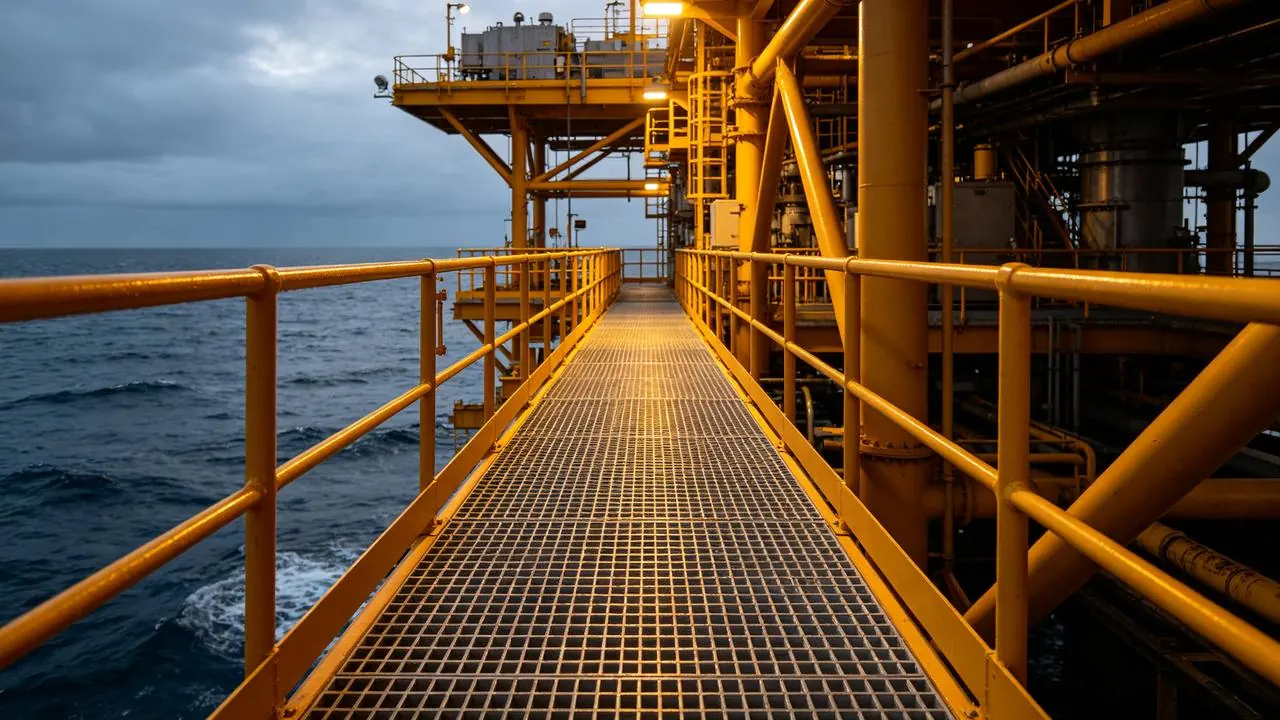
Why Marine & Coastal Needs FRP
Saltwater is the most unforgiving environment for conventional materials. Steel corrodes, timber rots, and concrete spalls. FRP grating — impervious to saltwater, UV-stabilized and lightweight — is the long-term answer for coastal and marine structures.- Saltwater corrosion of steel and rebar
- Timber rot and marine borer attack
- UV degradation of unprotected materials
- Weight limits on piers and floating structures
ZeAllgrate Solutions for Marine & Coastal
ZeAllgrate marine-grade grating, handrail and structural profiles are UV-stabilized, saltwater-immune and engineered for coastal service — with documented 20+ year performance in marine atmospheres.
Typical Applications
Marina decks & finger piers
Coastal walkways & boardwalks
Port access platforms
Boatyard work platforms
Seawall access systems
Floating dock walkways
Project Gallery
Real ZeAllgrate FRP grating products and installations in service across this industry.
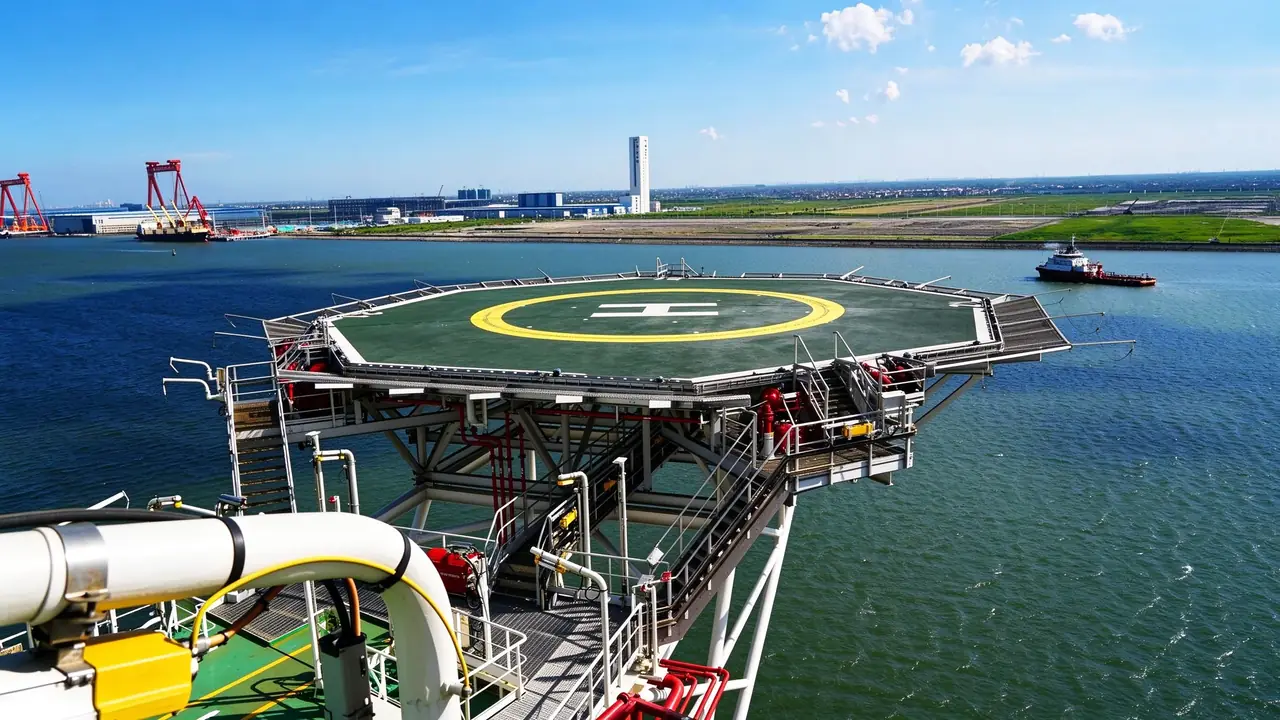
FRP helideck access walkways on an offshore marine platform
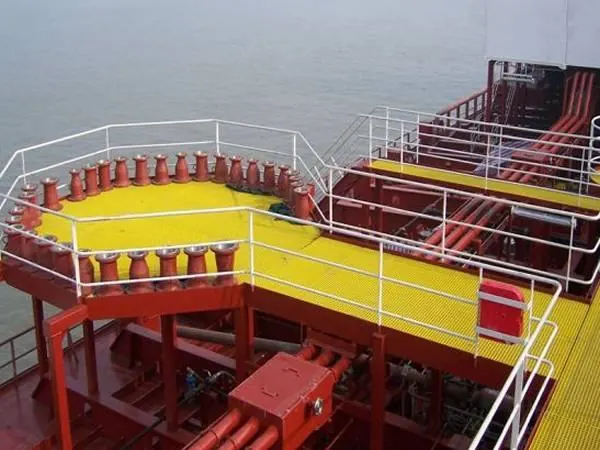
FRP grating platform on a marine vessel process deck
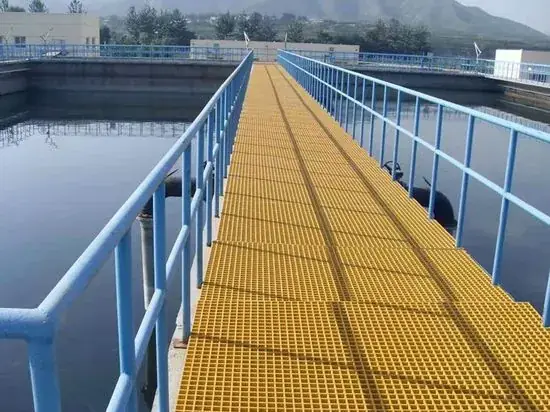
Anti-slip FRP dock walkway in a saltwater splash zone
Solutions for Every Process Area
Engineered FRP solutions mapped to each stage of your facility — from corrosive process zones to high-traffic access routes.
Saltwater-immune decking for piers, jetties and marina walkways.
Non-slip gangways, stairs and companionways for vessels.
Covers and grating for coastal structures exposed to spray zone.
UV-stabilized boardwalks that resist salt and sun for decades.
Technical Specifications & Compliance
Application-specific engineering reference for Marine & Coastal — corrosion rating, load criteria, governing codes and the recommended ZeAllgrate configuration. Use this as the specification starting point; final design must be verified against certified load/span charts and the project's governing codes.
| Parameter | Specification for Marine & Coastal |
|---|---|
| Corrosion Level | High Continuous saltwater spray/immersion splash zone, UV degradation and freeze-thaw in temperate climates. |
| Typical Load Requirements | Marina decking & finger piers 60 psf (2.9 kN/m²) pedestrian; gangways & boarding platforms for crew + equipment; floating-dock decks additionally designed for buoyancy & wave uplift. |
| Applicable Standards & Regulations | USCG (33 CFR) for small passenger structures, IMO / SOLAS where vessel-adjacent, ABYC (marine products), ASTM D7029, NFPA 302 (marine motor craft fire), ADA accessibility for public boardwalks. |
| Recommended Resin System | ZeAll VE UV-stabilized for splash zone & immersion; ZeAll ISO UV-stabilized for atmospheric coastal exposure; gel-coat topcoat recommended for long-term UV color retention. |
| Recommended Grating Type | Molded 38.1/50.8 mm grit-top for piers & gangways; Pultruded I5020 for long-span boardwalks & finger piers; UV-stabilized color (gray/black) to minimize fade. |
Resin systems: ZeAll VE (vinyl ester — severe corrosion), ZeAll ISO (isophthalic polyester — general service), ZeAll FDA (food/potable grade), ZeAll FR (extra flame-retardant), Phenolic (fire/smoke-critical). Grating types: Molded (bi-directional), Pultruded (long-span), Mini-Mesh (fine openings), HLC (high-load capacity).
Typical System Configuration
A UV-stabilised, saltwater-rated FRP deck package for piers, finger piers and coastal walkways — molded grating, handrail, pultruded stair treads and all-A4 stainless fasteners. Built for splash-zone exposure and crowd loading. Confirm wave uplift, buoyancy and coastal building code on floating structures.
Component List
| Component | Product / Model | Material / Resin | Key Spec | Quantity / Ratio |
|---|---|---|---|---|
| Grating panels | ZeAllgrate Molded 38mm | ZeAll VE UV-stabilised, grit-top, gray | 38.1 mm thick, ~70% open, UV-stable gray | Main pier / deck surface |
| Handrail system | ZeAll VE tube handrail | ZeAll VE tubes, SS316 fittings | 42.4 mm posts, mid-rail, toeboard | Perimeter and open edges |
| Stair treads | Pultruded stair treads | ZeAll VE, grit-top | Grit nosing, wet-surface grip | Stair flights and gangways |
| Clips & fasteners | G-type clips + all fasteners | SS316 (A4-80) | Marine-grade, passivated | 2 clips per panel |
| Edge banding | FRP edge banding | ZeAll VE, UV-stabilised | 3 mm protective trim | Panel perimeter |
Design Parameters Summary
| Design Parameter | Value for Marine & Coastal |
|---|---|
| Load rating | Pedestrian 5.0 kN/m² (~105 psf) crowd/assembly |
| Span | 1.0 m panel span |
| Deflection limit | L/200 under design load |
| Resin selection rationale | ZeAll VE UV-stabilised for saltwater immersion and UV resistance |
| Surface type | Grit-top, wet coefficient of friction > 0.7 |
| Fastener material | SS316 (A4-80) marine-grade stainless |
Applicable Standards & Codes
- ISO 14122-1/-2/-3/-4 (permanent machinery access)
- ASTM E84 (surface burning characteristics, Class A)
- IMO FTP Code (Parts 2-5, where vessel-adjacent accommodation applies)
- USCG 33 CFR (small passenger / maritime structures, where applicable)
- Applicable coastal / waterfront building codes
Marine service demands three things at once: saltwater immunity, long-term UV colour retention and crowd-rated stiffness. A vinyl-ester UV-stabilised resin base with A4-80 stainless hardware prevents the pitting and crevice corrosion that plague marine fixtures, while the stricter L/200 deflection limit and 5.0 kN/m² crowd rating keep public piers and finger piers comfortable under dense, dynamic foot traffic. The grit top is specified for decks that spend half their life wet.
Marine Service Requirements
| Condition | ZeAllgrate Response |
|---|---|
| Seawater immersion & spray | No galvanic corrosion; vinyl ester in splash zones |
| UV exposure | UV-stabilised grades |
| Wet slip risk | Grit-top surfaces on decks and ramps |
| Boatyard / pier traffic | High strength-to-weight; SS316 hardware |
Specification Guidance
Marine decks are specified against salt, UV and wet traffic: vinyl ester for splash-zone panels, SS316 clips and fasteners throughout (never mixed alloys on one deck), grit-top where the surface stays wet. Boardwalks and piers use molded or pultruded grating on pultruded or FRP framing for a fully non-metallic structure. The case library documents marina decking and coastal walkway installations; request the load and UV data for the exact grade before specifying long exposed spans.
Marine decks are specified against salt, UV and wet traffic: vinyl ester for splash-zone panels, SS316 clips and fasteners throughout (never mixed alloys on one deck), grit-top where the surface stays wet. Dock fiberglass deck grating resists saltwater splash and keeps pier and marina surfaces dry and non-slip. Boardwalks and piers use molded or pultruded grating on pultruded or FRP framing for a fully non-metallic structure. The case library documents marina decking and coastal walkway installations; request the load and UV data for the exact grade before specifying long exposed spans.Go Deeper with the ZeAllgrate Knowledge Base
Marine Service Conditions vs. GRP Grading
Sea air is a triple attack: salt spray (chloride), UV degradation, and constant wetting. A walkway that survives a refinery inland in 10 years can delaminate on a jetty in 3. We grade panels for the specific zone — splash, tidal, or permanently wet. Always confirm exposure class with our engineering team.
| Zone | Exposure | Resin / surface | Hardware | Design life |
|---|---|---|---|---|
| Above-deck walkway | Salt spray + UV | Iso + C-veil UV | SS316 | 25 years |
| Splash / tidal | Wet + chloride | Vinylester, grit-top | SS316 L | 20 years |
| Helideck edge | Fire + impact | Phenolic, ASTM E84 A | SS316 L, DNV-traceable | 25 years |
| Jetty crane rail | Point load + chloride | Pultruded 75 mm rectangular | SS316 L | 25 years |
Load & Span for Marine Decks
Offshore decks are specified by DNV-OS-C201 and ABS guide. Typical ZeAllgrate picks for North-Sea platforms:
| Application | Panel | Span | Live load | Fire rating |
|---|---|---|---|---|
| General access | 38 mm molded vinylester | 1.2 m | 5 kN/m² | B (contact engineering for A) |
| Helideck perimeter | Phenolic pultruded 50 mm | 2.0 m | 7.5 kN/m² | A, ASTM E84 |
| Tender boat landing | 50 mm molded, concave | 1.5 m | contact engineering | B |
All panels ship with batch-resin traceability. Pultruded FRP handrails replace steel in A60 fire-wall transitions to avoid RF reflection and galvanic corrosion. SS316 L clips at every support intersection.
Offshore vs. Coastal: What Changes in Spec
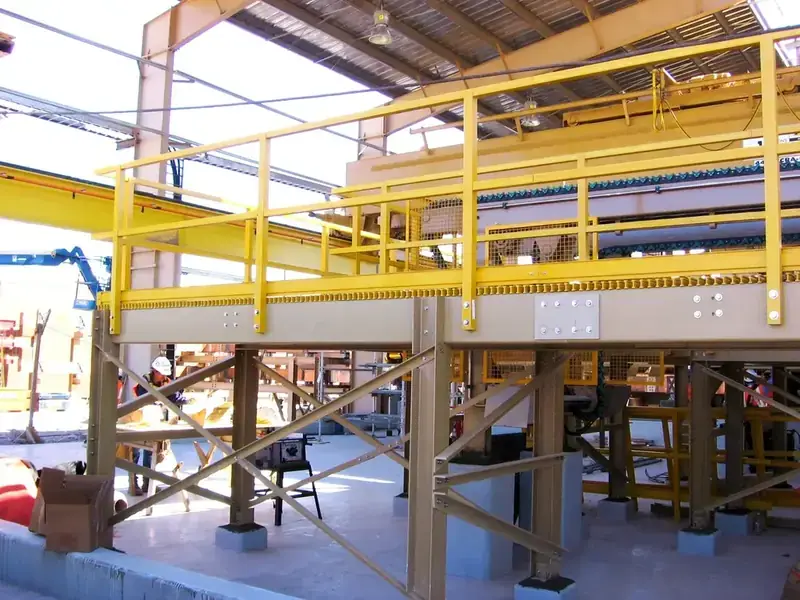
Coastal jetties and offshore platforms both see salt spray, but the spec differs in three ways:
- Fire rating: offshore helideck zones require phenolic (ASTM E84 Class B, flame spread ≤25). Coastal walkways can run isophthalic molded.
- Traceability: offshore panels ship with batch-resin certificates and DNV type-approval documentation. Coastal projects accept COA only.
- Weight: topside retrofit on offshore platforms prioritises 75 mm pultruded over 50 mm molded to cut structural loading — the same stiffness at 30% lower mass.
See our FRP vs. steel lifecycle guide for 10-year TCO comparisons on marine decks.
Common Failure Modes in Marine GRP Grating
Marine service is unforgiving. We have audited failed installations on jetties and offshore platforms; four failure modes dominate:
| Failure mode | Root cause | ZeAllgrate prevention |
|---|---|---|
| UV chalking / fading | No C-veil UV protection; standard resin in open deck | C-veil (surface tissue) on every outdoor panel; QUV-A 5000 h test report |
| Clip pitting | SS304 or hot-dip galvanized clips in splash zone | SS316 L in any splash / tidal zone; SS316 in above-deck salt spray |
| Impact fracture (tender boat) | Thin panel (25 mm) at boat landing | 50 mm molded or pultruded I-bar at tender landings; concave-top for wet grip |
| Fire spread (helideck) | Standard resin near helideck edge | Phenolic pultruded, ASTM E84 Class B, flame spread ≤25 |
Offshore Certification: What We Ship
Offshore projects (DNV, ABS, Lloyd's Register) require documentation that a standard chemical-plant order does not. For every offshore panel we ship:
- Batch-resin traceability: every panel carries a batch number linking back to the resin mill certificate. We do not blend batches on a single job.
- Type-approval documentation: DNV type-approval for the phenolic pultruded grade; ASTM E84 fire test report (independent lab).
- SS316 L clip certificates: mill certificates for every clip lot, not just a sample.
- Cut-edge seal record: every cut edge is sealed with resin gel-coat and inspected; sealed edges are documented in the shipping pack.
- Weight certificate: each pallet weighed; topside weight budget is a real constraint on offshore retrofit.
For coastal jetties (not offshore), we ship COA only — the type-approval pack is reserved for offshore. If you are unsure which pack your project needs, ask engineering — we will tell you honestly whether the cheaper coastal pack is enough.
Specification Checklist for Marine GRP Grating
Marine projects fail when the spec ignores the zone. Confirm every item below before issuing the enquiry:
- Zone classification: above-deck walkway, splash/tidal, helideck perimeter, or crane rail. Each has a different resin and hardware spec.
- Certification body: DNV, ABS, Lloyd's Register, or none. Offshore panels ship with type-approval documentation; coastal jetties accept COA only.
- Fire rating: ASTM E84 Class B (flame spread ≤25) for helideck and escape routes; Class B acceptable for general access. Standard resin is not fire-rated.
- UV exposure: open deck or shaded. Open deck needs C-veil UV protection; QUV-A 5000 h test report on file.
- Hardware: SS316 L in any splash/tidal zone; SS316 acceptable above-deck salt spray. Never SS304 in marine service.
- Weight budget: topside retrofit has a real weight limit. Pultruded I-bar gives same stiffness at 30% lower mass than molded.
- Impact loads: tender boat landings, crane swing, dropped tools. Specify 50 mm molded or pultruded I-bar at impact zones.
Download our marine FRP specification guide or email [email protected] with the checklist.
FRP vs. Steel on a Jetty: Weight, Corrosion, and Fire
Marine deck choice is not just corrosion — it is weight budget and fire rating. Three decisive differences:
| Factor | Steel grating | GRP / pultruded FRP |
|---|---|---|
| Weight (per m²) | 45 kg/m² | 13–19 kg/m² (75% lighter) |
| Corrosion in salt spray | Paints fail in 3–5 y; replace in 10–15 | Vinylester 25-year design |
| Fire rating (helideck) | Non-combustible but spalls | Phenolic pultruded, ASTM E84 A |
| Installation | Crane + welder needed | Two workers carry; bolt/clip on site |
On a North Sea platform retrofit, FRP cut topside weight by 60% vs. steel — that is why DNV and ABS increasingly accept phenolic GRP for helideck-adjacent walkways.
Have a Marine & Coastal Project?
Send us your application and environment details — our engineers respond within 24 hours with a technical solution.
Why FRP Grating for Marine & Coastal?
FRP grating for marine and coastal: saltwater corrosion-proof, UV-stable, lightweight dock and marina decking. No rust, no painting, 25+ year service life.